How a trust works, in plain English, and when one saves tax
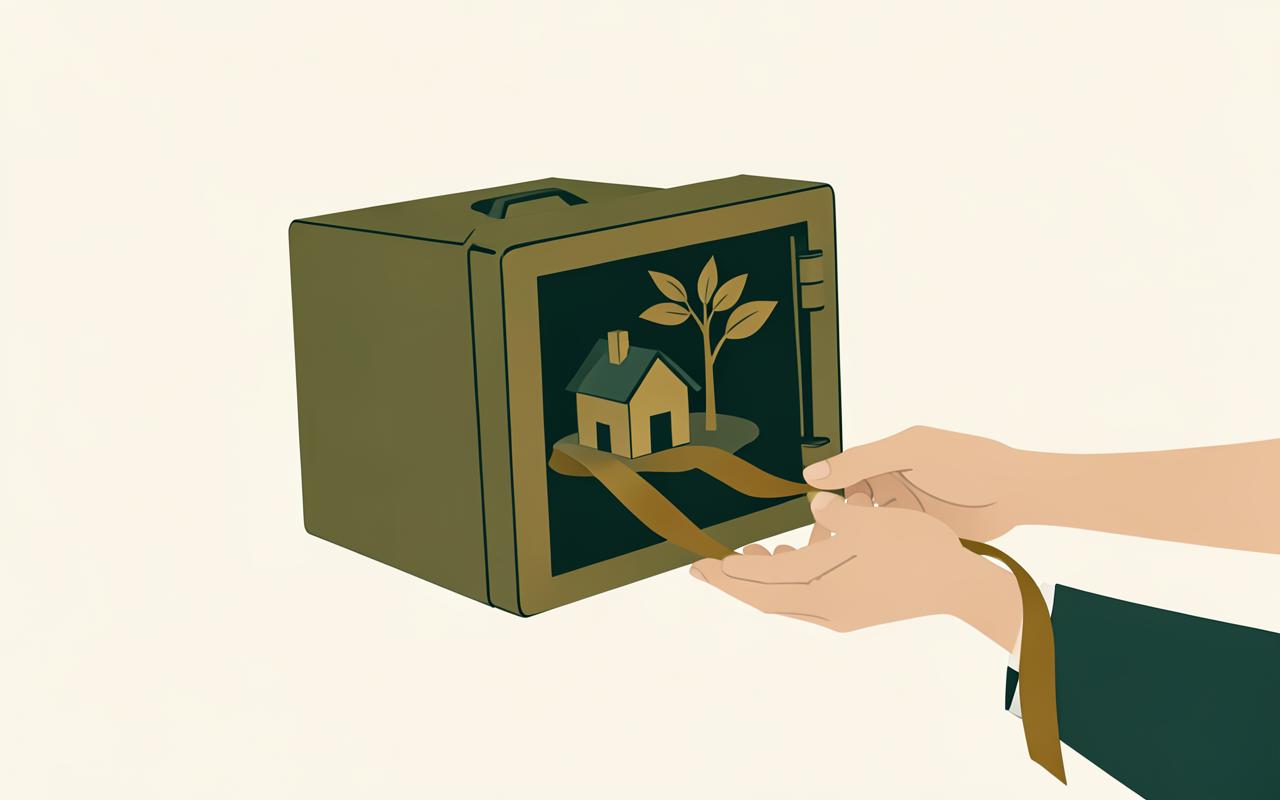
A trust is a legal box: you put assets in, name who benefits, and the box follows your rules even after you are gone. Here is what it genuinely does and does not do.
Structure6 min readParents and grandparents planning for children, anyone with property, and business owners thinking about what happens next.
The short answer
- A trust holds assets for people you name, under rules you write.
- It is about control and protection first: who gets what, when, and safe from whom.
- Tax savings exist but are narrower than the salesmen say. The rules deliberately tax trusts heavily if they are used just to dodge.
Main job
Control and protection
Not a magic tax dodge
UK trust tax rate
Up to 45%
Trusts are taxed hard
Best known use
Passing wealth down
On your terms, over time
Do it in this order
- 1Decide the point: protecting money for children, passing on property, or holding family business shares. The purpose picks the trust type.
- 2Choose trustees, the people who manage the box. They must be trustworthy in the oldest sense of the word.
- 3A solicitor or attorney writes the trust deed, the rulebook. Expect £1,000 to £3,000 or the local equivalent for a straightforward one.
- 4Assets are transferred in: cash, property, shares. That transfer itself can trigger tax, so it is planned, not improvised.
- 5The trust is registered and files its own tax returns every year it has income or gains.
Only if you want the detail
What a trust is genuinely good at
These are the real reasons families use them.
Where the tax saving is, and is not
In the UK, assets given away more than seven years before death usually escape inheritance tax, and a trust can hold them in the meantime. That is the genuine, legal saving.
The honest downsides
Anyone selling you a trust should mention these.
What people get told, and what is true
Put everything in a trust and pay no tax.
Trusts in the UK pay up to 45% income tax and there can be charges going in, every ten years, and coming out. Used wrongly they cost more than they save.
A trust hides money from the tax office.
Trusts are registered and file returns. Hiding is evasion, not planning.
Now do it on your numbers
Reading is the easy half. The saving comes from applying this to your income, your country and this tax year, with the deadline written down.
Where this comes from
General guidance, not personal advice. Anything involving a company, a trust or another country should be checked by a qualified accountant or tax adviser before you act.
Read next
Windfall
Money just landed
Park it. Do nothing irreversible for two weeks.
Business
Where to register
Tax follows where the work is done and where you are resident, not the address on the certificate.
Offshore
Offshore, honestly
Offshore works for genuine cross border business, not for hiding money at home.