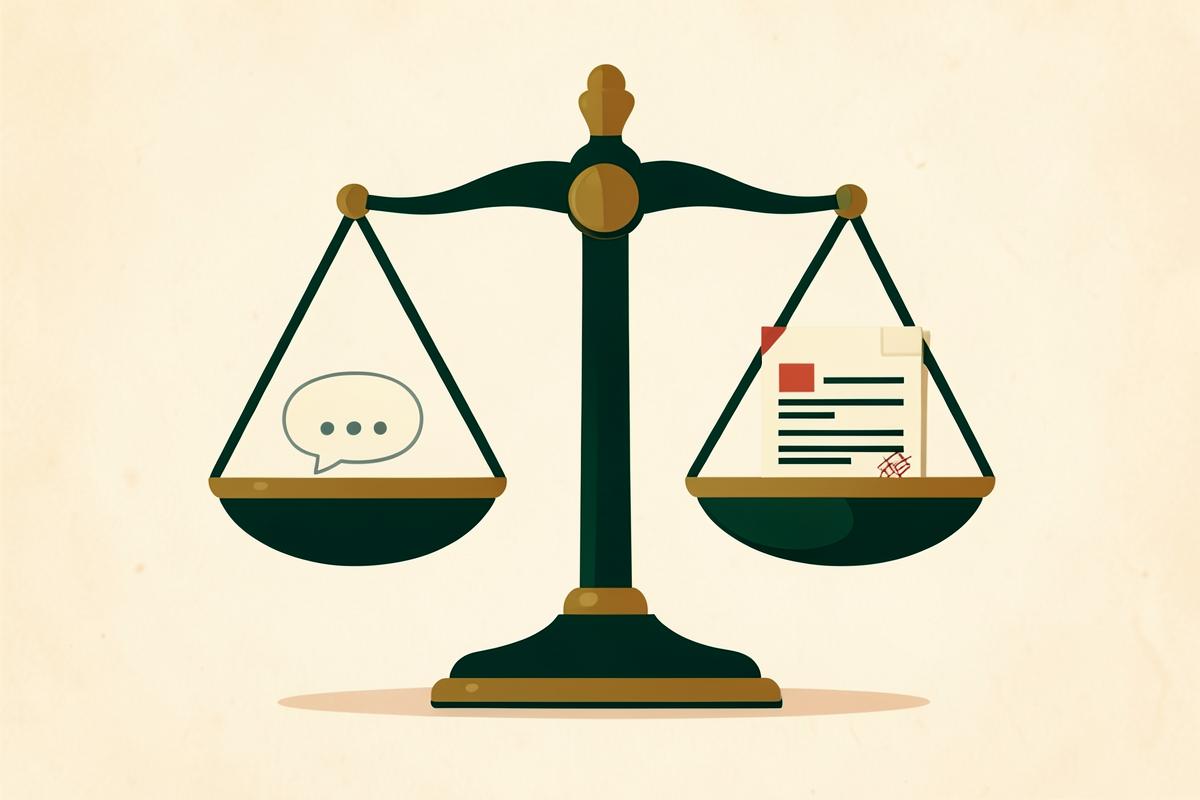
Why not just ask a chatbot?
A chatbot writes a fresh answer each time. This does the same sums, from official figures, with dates.
54 figures tracked across the UK, the US and Australia, all checked against their official page on 9/12/2026.
Every figure has a receipt
Each rate, allowance and threshold is stored with the official page it came from and the date we last read it. You can click through and see it yourself.
A chatbot rarely shows you where a number came from, and the link it offers may not exist.
The same sums, every time
The same answers always give the same plan, because it is worked out by fixed arithmetic, not written afresh. You see each band and each step of the sum.
Ask the same question twice and you can get two different numbers, with no way to tell which is right.
It knows which tax year it is in
Figures are tied to a tax year with a start date, and your year end is on the plan so you know your deadline.
General chatbots often mix figures from different years without saying so.
Named forms, boxes and deadlines
Each step says which form, who to send it to, what to keep and by when, for your country and your part of it.
You usually get general advice and have to hunt for the paperwork yourself.
It tells you when to stop and get help
Trusts, company groups and large estates are marked as work for a qualified adviser, with what to ask them.
A chatbot will happily keep answering past the point where a professional is needed.
It does not need your financial life story
Broad bands are enough to build a plan, and your answers stay on your device unless you choose to save them.
Pasting your income, inheritance and account details into a chat window puts them somewhere you do not control.
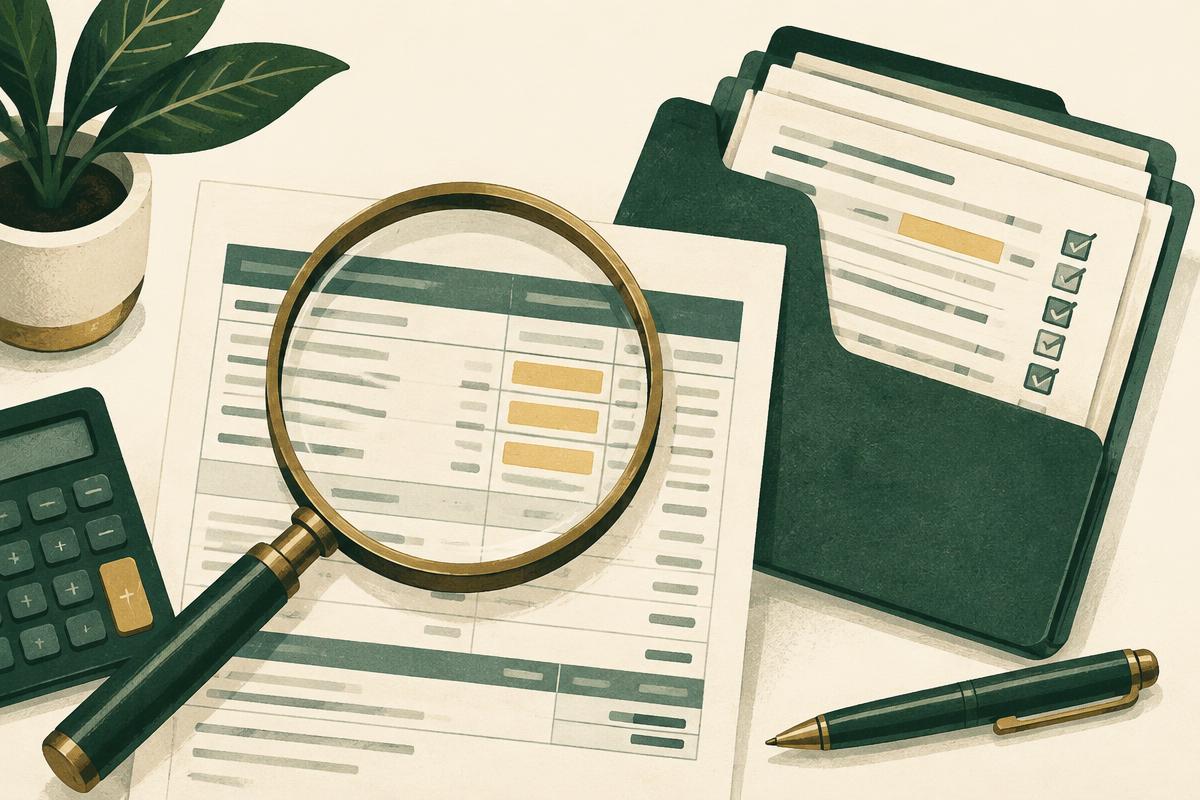
How the figures stay current
- 1. Read. Every day the official pages at HMRC, the IRS, the SSA and the ATO are read and compared with the figures stored here.
- 2. Flag. Anything that differs is written up as a proposed change, with the old figure, the new figure and the page it was found on. Nothing goes live at this point.
- 3. Approve. A person checks the proposal against the source and the date it takes effect before it becomes part of the app.
- 4. Tell you. The change is published on the change log, and any saved plan for that country is marked as needing a fresh look.
Reading is done by machine, deciding is done by a person, and the sums are always plain arithmetic. This is general information, not personal advice.