Straight answers, not a lecture
A huge bill, money just landed, where to register, or whether offshore is worth it. Start with the answer, then see the official source and your next move.

Every claim
Sourced
Official page and the date read
Read time
3 to 6 min
Short answer first, detail if you want it
Then
Your numbers
Each topic ends in a tool, not a shrug
Pick what is on your mind
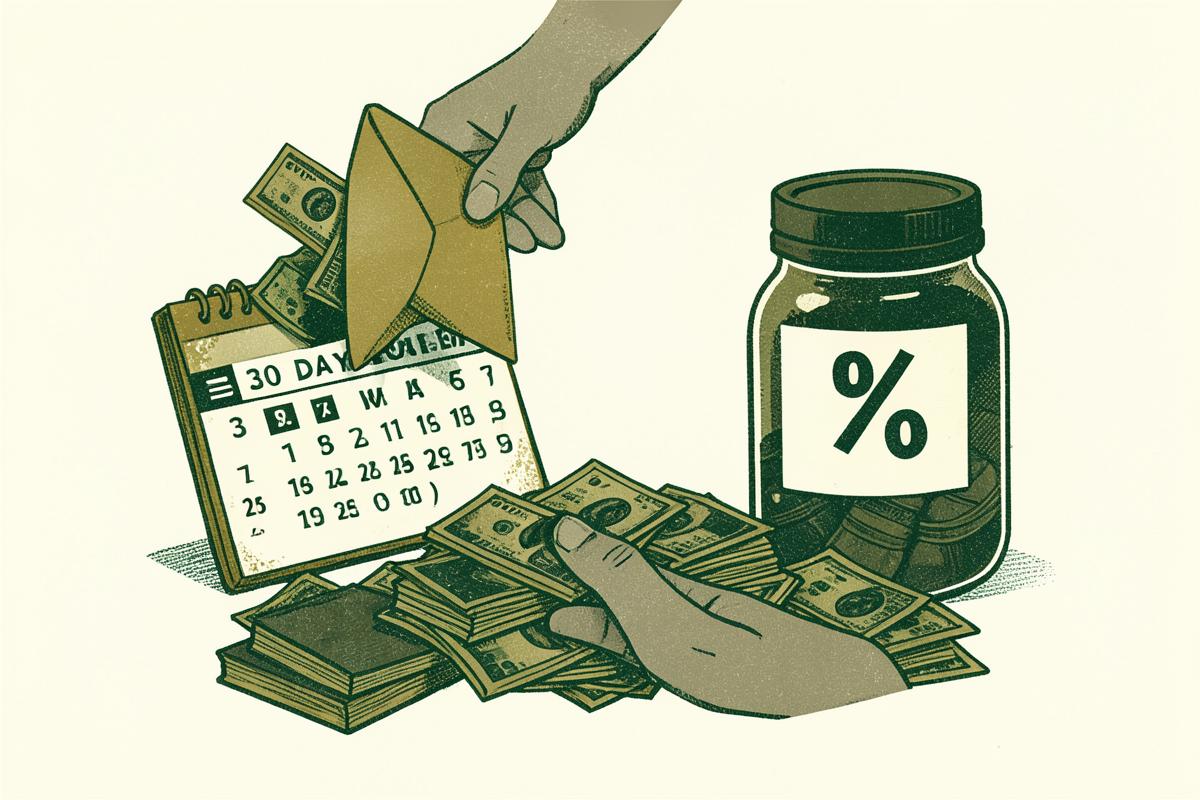
Money just landed. What to do in the first 30 days
A bonus, a sale, a payout, an inheritance or a lump of crypto. Six moves, in order, before you spend a penny of it.
- Park it. Do nothing irreversible for two weeks.
- Work out which tax it is, and the date that tax is due.

Where should I register my business to pay less tax, legally
The honest answer: where you actually live and work decides most of it. Here is what genuinely moves the number, and what does not.
- Tax follows where the work is done and where you are resident, not the address on the certificate.
- The real choices are your structure, your salary and dividend mix, and your timing.
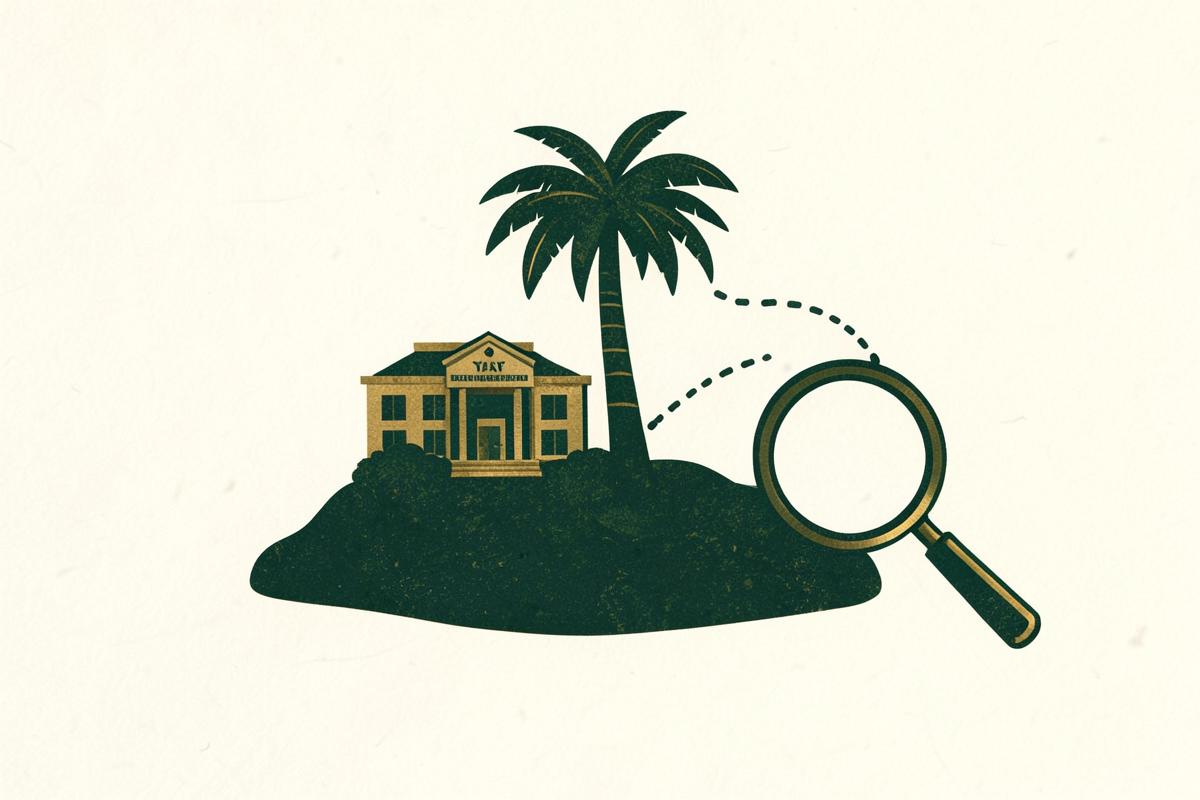
Offshore companies: why people do it, and what happens if you do
Why the rich use other countries, why it rarely works for someone with one home and one income, and the exact rules that catch it.
- Offshore works for genuine cross border business, not for hiding money at home.
- Every country we cover has rules that tax you on offshore profits as if they were yours.
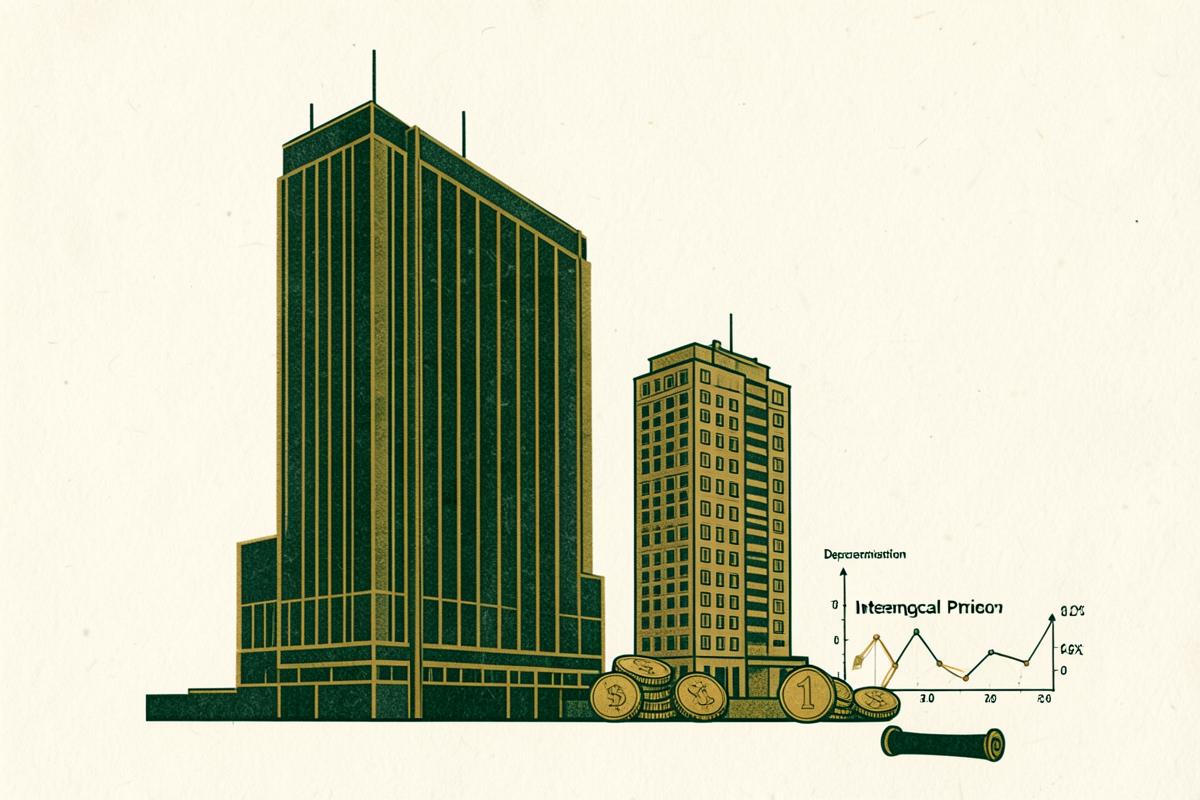
Why Apple and Donald Trump pay so little tax, and what you can copy
No secret loopholes. Four ordinary mechanisms, written into law, that scale beautifully for big companies and property owners. Three of them work on your numbers too.
- Big companies move profit to where their intellectual property sits.
- Property owners get paper losses from depreciation while the building rises in value.
Government updates, and why you should never track them yourself
Rates, thresholds, forms and deadlines move every year, and some mid year. This is how the app watches them and tells you which of your plans just changed.
- Every figure in the app has a source page and a date it was last checked.
- The checks run daily, and around each country's Budget and year end.
What a shell company actually is
A company with a name, a registration and almost nothing inside it. Some are ordinary and legal. Some are the reason people go to prison. Here is the difference.
- A shell company is a registered company with no real trade, no staff and no premises. It only holds a name, a bank account, or an asset.
- Owning one is not illegal anywhere. Using one to hide who owns money, or to pretend profit was earned somewhere it was not, is.
Why you get taxed, and what every word on your payslip means
No jargon. Where each pound, dollar and dollar of your pay goes, in what order, and why the last one you earn is taxed harder than the first.
- Your pay is not taxed all at once. It is sliced, and each slice has its own rate. The first slice is often free.
- Two different things come off: a tax on income, and a separate contribution for state pensions and health. They have different rules and different names in each country.
Moving to another country to pay less tax
It is the one move that genuinely changes everything, and the one people get wrong most often. What actually decides where you pay, and the exit bill nobody mentions.
- Where you pay tax is decided by residence, and residence is decided mostly by days, home and family, not by a visa or a flight.
- Leaving is not free. Some countries tax you on the way out, and one taxes you wherever you live for as long as you hold its passport.
How to read a financial statement without training
Three pages, six numbers. Once you know which six, you can read any set of accounts, your own or somebody else's, in about four minutes.
- A profit and loss shows what happened over a year. A balance sheet shows what you own and owe on one single day.
- Cash and profit are not the same thing. A business can be profitable and still run out of money.
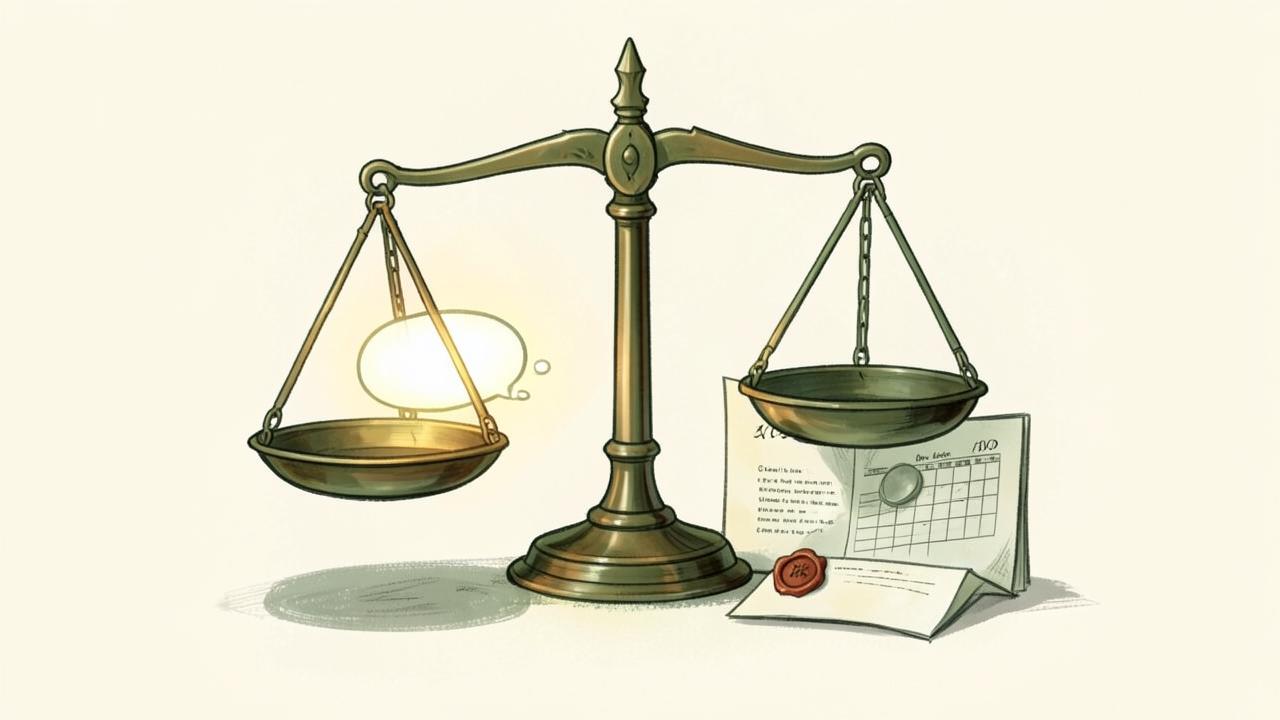
Why start here, when a chatbot is free
A chatbot gives you a confident paragraph. This gives you a dated figure, the official page it came from, the form it goes on, and a message when the rule changes.
- General chatbots are fluent, undated and unrepeatable. Ask the same question twice and the numbers can move.
- Every figure here is a stored rule with a tax year, an official source and the date we read it.
How to set up a limited company, and when it saves you tax
What it is, how to set one up this week, and the honest profit level where it starts saving you money instead of adding paperwork.
- A limited company is a separate legal person. It earns the money, pays its own tax, and owes its own debts, not you.
- You pay yourself a mix of salary and dividends, which is usually cheaper than one large wage.
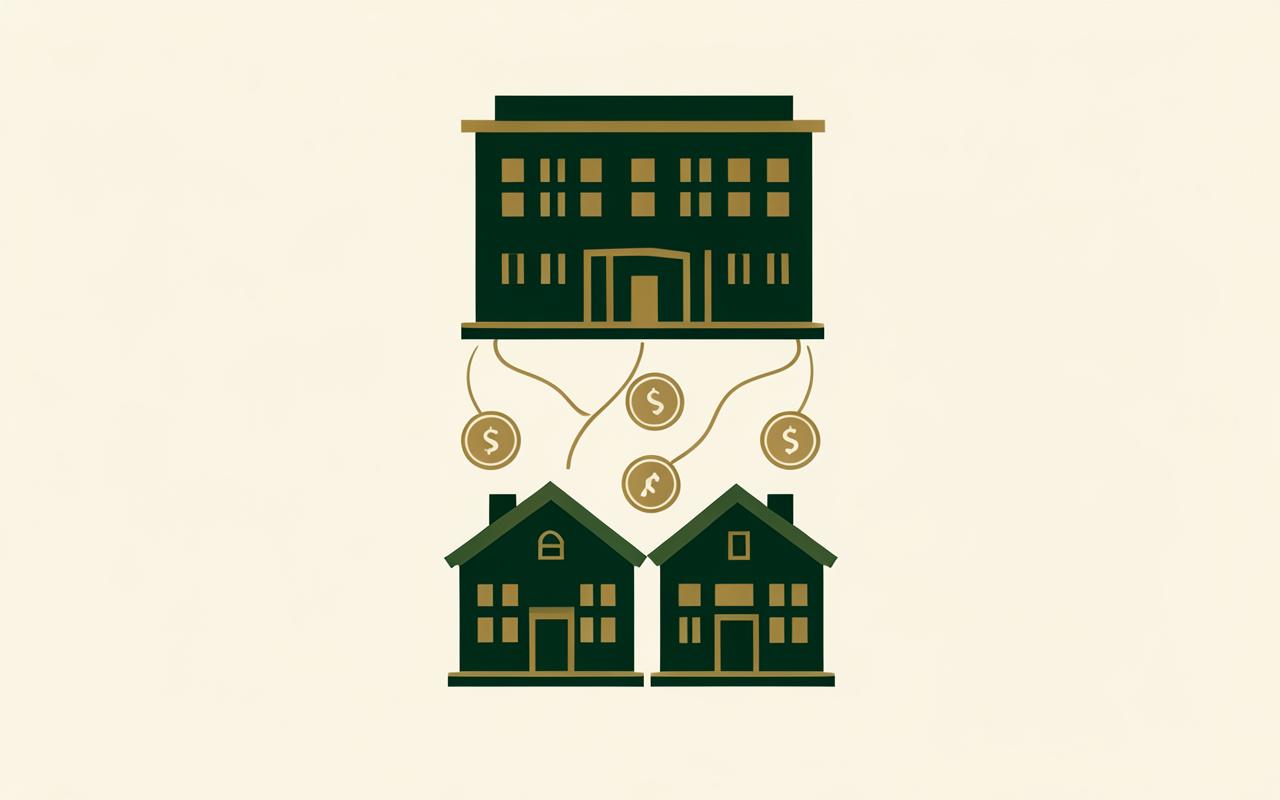
How a holding company works, and why owners use one to keep more
One company that owns your other companies. It sounds like something for billionaires, but the reasons are simple: protection, flexibility and tax free movement of money inside your group.
- A holding company is a normal company that owns shares in other companies instead of trading.
- Profits can usually move up from the trading companies to the holding company tax free.
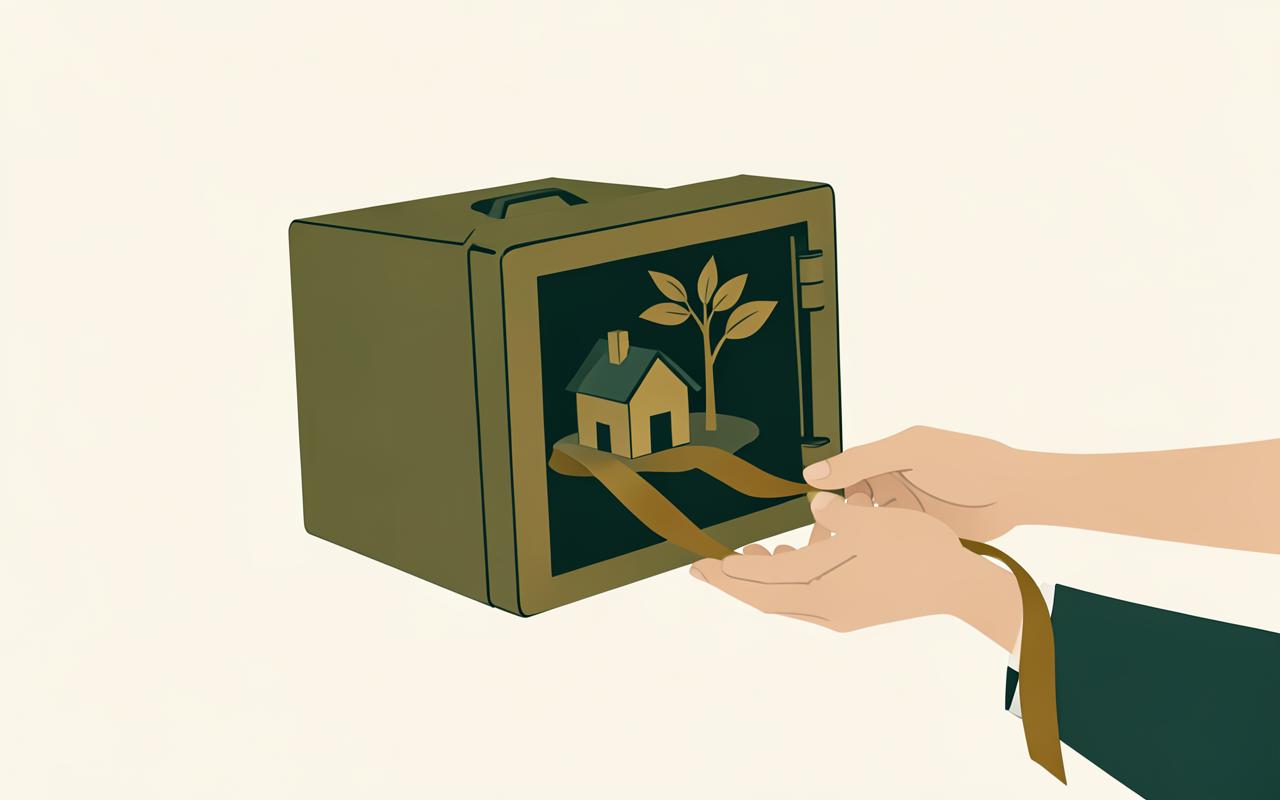
How a trust works, in plain English, and when one saves tax
A trust is a legal box: you put assets in, name who benefits, and the box follows your rules even after you are gone. Here is what it genuinely does and does not do.
- A trust holds assets for people you name, under rules you write.
- It is about control and protection first: who gets what, when, and safe from whom.
How to set up a discretionary trust, step by step
The trust type families actually use: the trustees decide who gets what, when. Every step, every form, every official link, and the honest tax bill at each stage.
- A discretionary trust holds assets for a group of people you name, and the trustees choose how to share income and capital among them.
- You set it up with a trust deed, a small starting gift, trustees you trust completely, and a registration with the tax office.
What banks and accountants rarely explain about your own money
Not a conspiracy, just incentives. Banks sell products, accountants bill hours, and nobody is paid to teach you the basics. Here is what they assume you know, and mostly you do not.
- Nobody profits from making you independent. A confused customer is a profitable customer.
- Most of what they charge for is written down free, by the government, in plain enough English.
How to set up an offshore company or account, step by step, and stay legal
The real steps, the real costs, and the reporting forms that decide whether this is smart planning or a crime. Read the last section twice.
- Setting one up is easy and legal: register a company abroad, open its bank account, run it properly.
- Staying legal is the hard part: your home country taxes you on what you control and what you earn, wherever the company sits.

Student loans: the thresholds, when you start paying, and how to avoid penalties
Exactly when repayments start, how much comes out of each payslip, and the simple habits that stop overpayments and penalties.
- You only repay once you earn over a set threshold, and only a slice of what is above it.
- Repayments come out of your pay automatically, like a tax. Below the threshold, you pay nothing.
Buying and selling property: every tax, in order
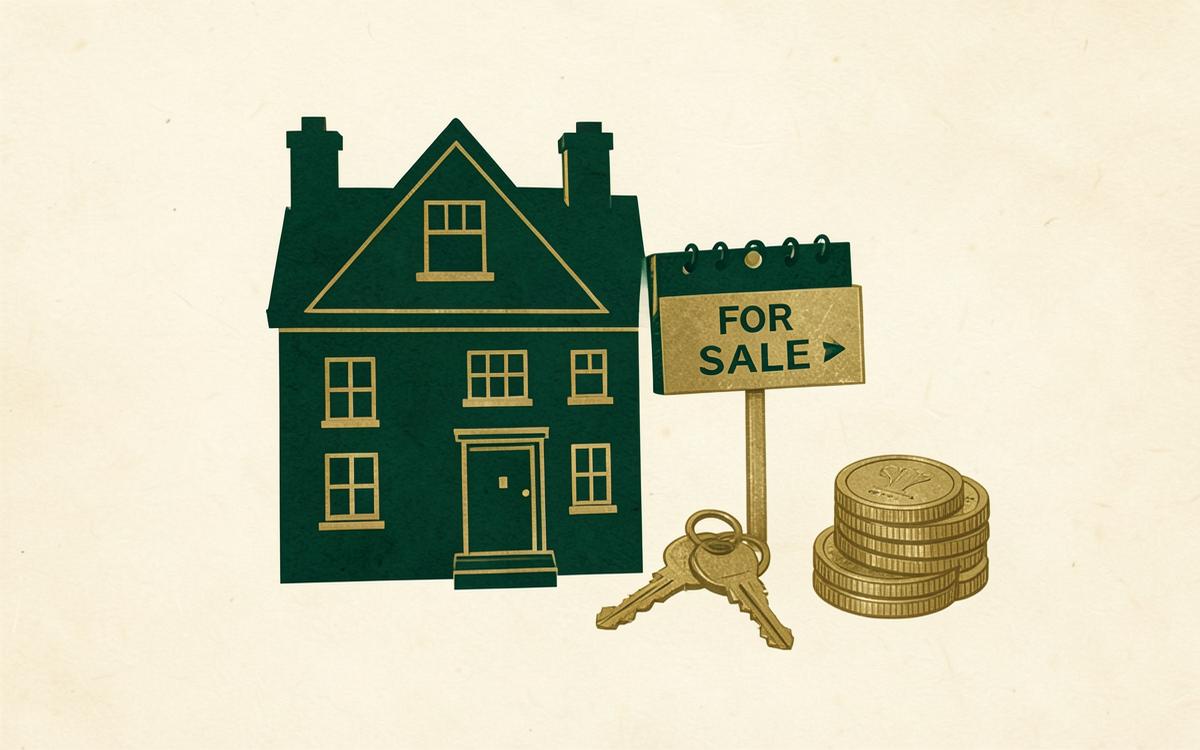
One picture of the four moments property is taxed, and the saving hiding in each one.
- Property is taxed at four moments only: when you buy, while you own, when you rent it out, and when you sell.
- Your own home is usually free of tax on the gain when you sell it.
Renting property out: what you keep, and what you can claim
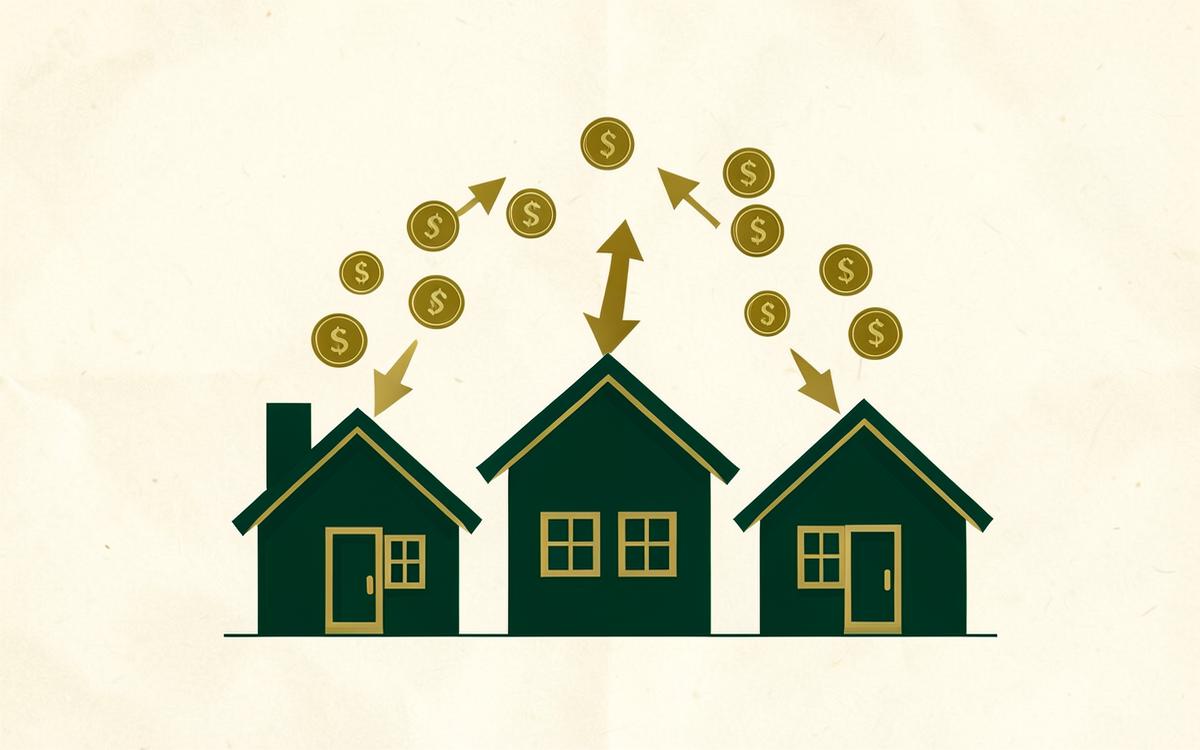
The claim list most landlords miss, and the honest answer on owning through a company.
- Rent is income. You are taxed on the profit, not the rent.
- Every allowable cost lowers the bill, and most landlords claim too few of them.
Commercial property: the reliefs most owners never claim
Shops, offices, warehouses and units. The building itself holds tax relief, and it is usually left on the table.
- The fittings inside a commercial building carry capital allowances worth real money.
- VAT and GST on commercial property is a choice with consequences, not a formality.
Land and development: bare plots, farms and building out
Land is taxed differently to houses. Here is where the money leaks, and the reliefs that plug it.
- Holding land is cheap. Changing what it is used for is where the tax lands.
- Selling land for development is often taxed as trading profit, not a gentle capital gain.
A huge tax bill has arrived. Do this first
Check whether it is right, protect every deadline, challenge mistakes, and ask for affordable payments without making the problem worse.
- Do not ignore it. Write down the response and payment deadlines today.
- Check the figures against the return, payslips, accounts and payments you already made.
Rules move. You get told.
Every figure is checked daily against the official page. When one moves, the change is logged with the announcement behind it, and any saved plan that used the old figure is flagged for you.