Find the money you can keep
Bad credit and doing business abroad
Refused credit, or worried your score will stop you? Here is what really happens at home and in another country, in plain English, with official sources. Last checked 8 October 2026.
Will my credit score follow me to another country?
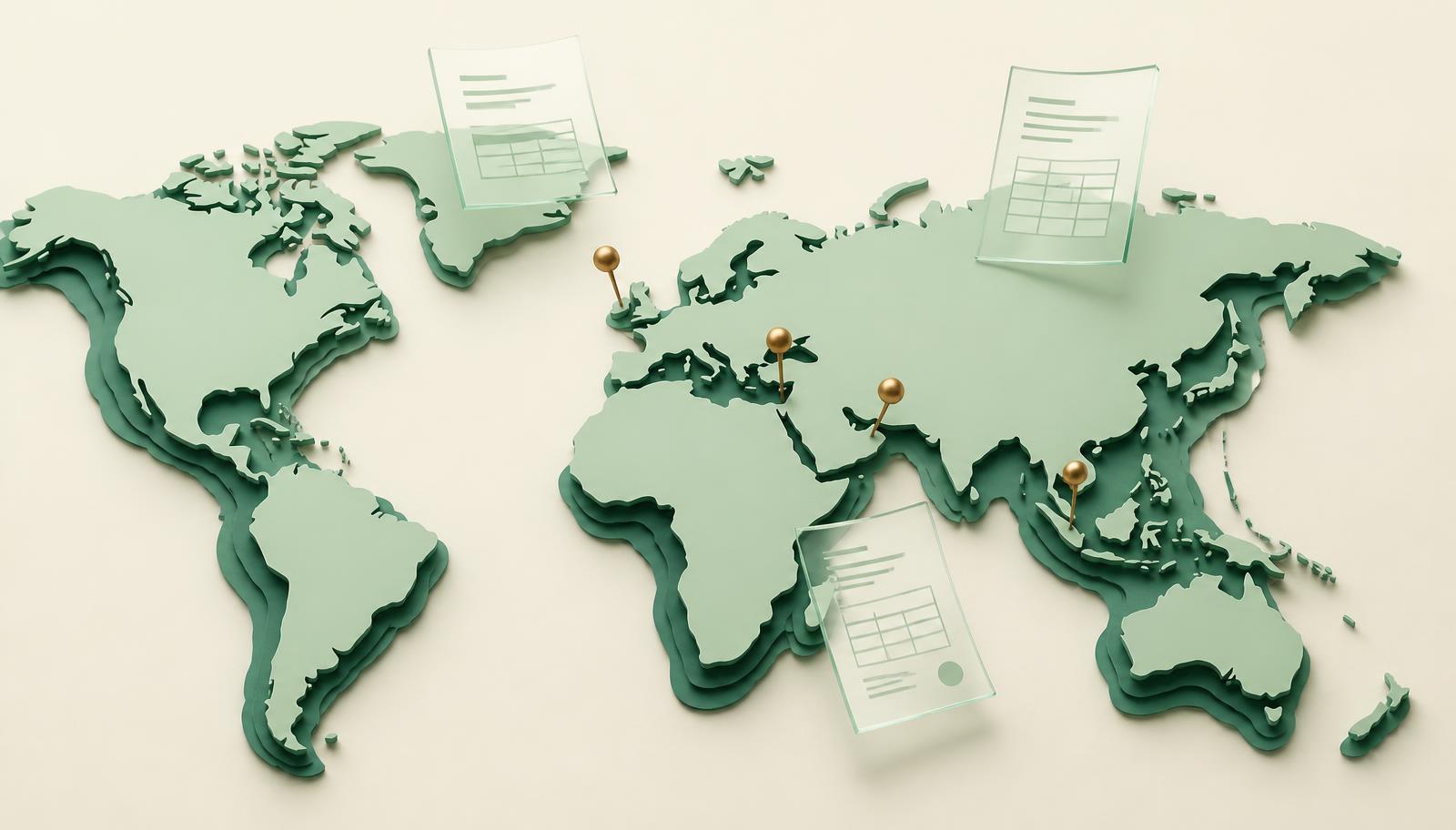
- Credit scores do not cross borders. Each country keeps its own files, so moving does not wipe your record at home, and it does not give you a good score abroad either. You start with no history. Taxmiser summary
- What still follows you: unpaid debts (lenders can chase you abroad), court judgments, bankruptcy records, director bans and tax debts. Some visa and banking checks also ask about these. Taxmiser summary
- Some banks for newcomers and some credit agencies can use a report from your home country, but it is never automatic, so ask the bank directly. Taxmiser summary
- Investors care more about your idea, numbers and track record than your personal score. A clear business plan matters most. Taxmiser summary
Pick a country
Refused credit here: what happens
- If a lender says no because of your credit file, they must tell you and name the credit reference agency they used, if you ask. Official source
- Missed payments, defaults and county court judgments usually stay on your file for 6 years. Official source
- Banks refusing a business loan must offer to pass you to a finance platform that may help (Bank Referral Scheme). Official source
Arriving with bad (or no) credit
- A credit file from another country does not carry over. Newcomers start with a thin file, which feels like bad credit at first. Registering to vote and paying UK bills on time builds it up. Official source
- UK debts, bankruptcy and director bans follow you even if you move away. Directors can be banned for up to 15 years. Official source
Investors, loans and funding
- Start Up Loans: government-backed personal loans of £500 to £25,000 for business, with free mentoring. Approval looks at affordability, not just your score. Official source
- Tax relief for investors (SEIS and EIS) makes UK start-ups attractive to angel investors. Official source
If your business is broke
- Talk to HMRC early. You can often agree a Time to Pay plan for tax you owe. Official source
- Formal options for a company: a voluntary arrangement (CVA), administration, or liquidation. Directors must stop making things worse for creditors once the company cannot pay. Official source
- Sole traders are personally liable. Options include an IVA, a debt relief order or bankruptcy. Official source
What business works there
- Online and professional services
- Trades (builders, electricians, cleaners)
- Food, cafés and takeaways
- Care and health services
Why it can work better there: Cheap fast company set-up (about £100), a big English-speaking market and strong investor tax relief.
Why it might not work
- High rents in big cities
- Many sectors need licences (food, alcohol, care)
- Fierce competition in London
Taxmiser summary, not an official figure.
Get a personal plan to fix your credit and fund your business, so you save more on tax wherever you build.
Side by side: bad credit and business
🇬🇧 United Kingdom
Strong free help, Start Up Loans that look past a poor score, quick set-up.
Your UK file follows you for 6 years; newcomers start with no history.
🇺🇸 United States
Most investor money in the world; bankruptcy lets you restart.
Little credit for newcomers; visas are tough.
🇦🇺 Australia
Clear restructuring path for small firms; strong grants finder.
Tax debts get reported; high running costs.
🇨🇦 Canada
Start-up visa and state-backed lenders like BDC.
Provincial rules add paperwork.
🇳🇿 New Zealand
Easy to start, low red tape, no asset procedure as a fresh start.
Small market and limited investor money.
Members get step-by-step credit fixes, grant trackers and a business plan for each country.
General information, not personal legal or financial advice. If you are in serious debt, talk to the free help line for your country first.